Sign In

My Timeline

GuRoute

Discover Your World

Share your Experiences

Record your Life


Top Attractions in Alabama

Mobile

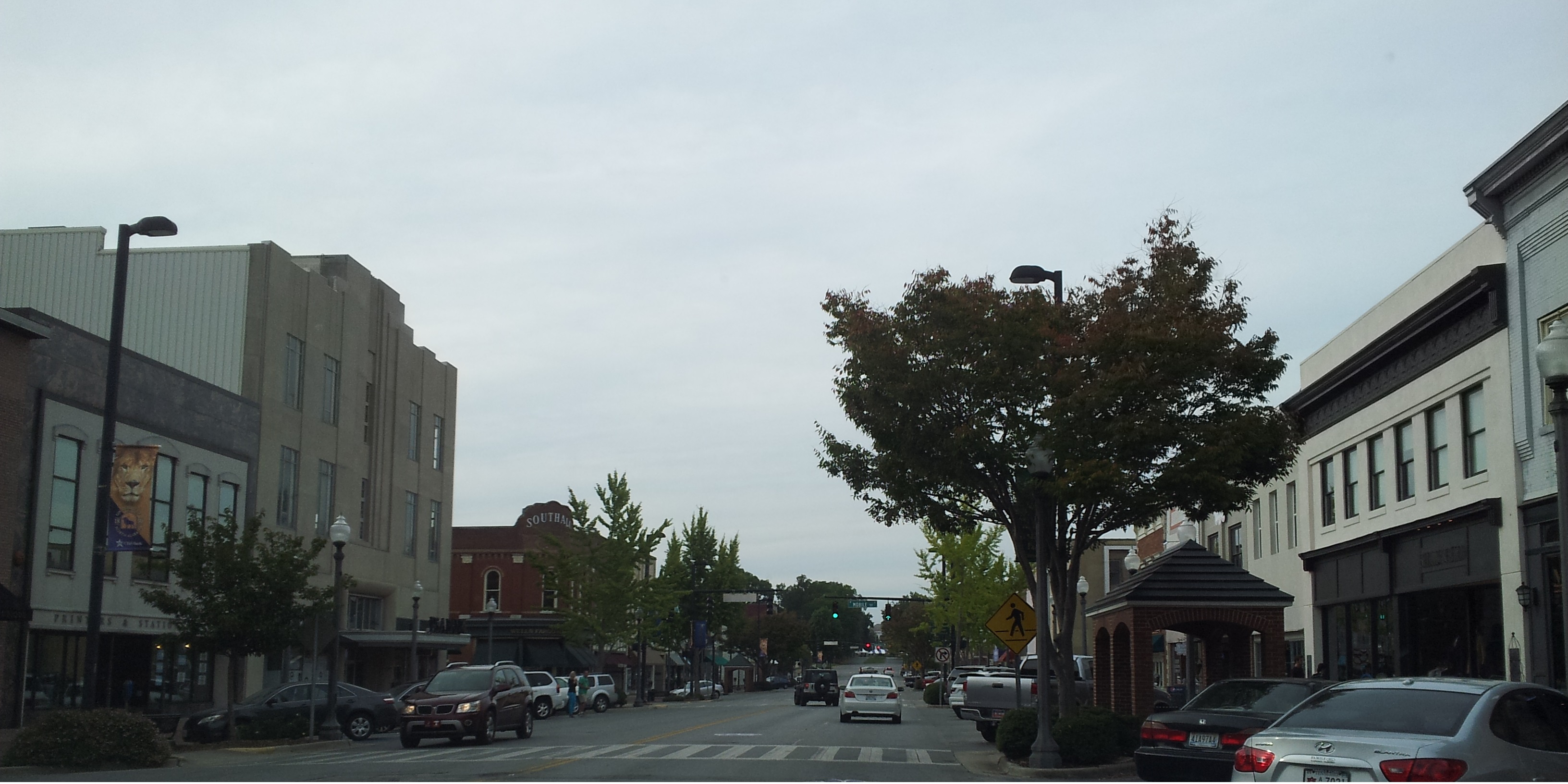
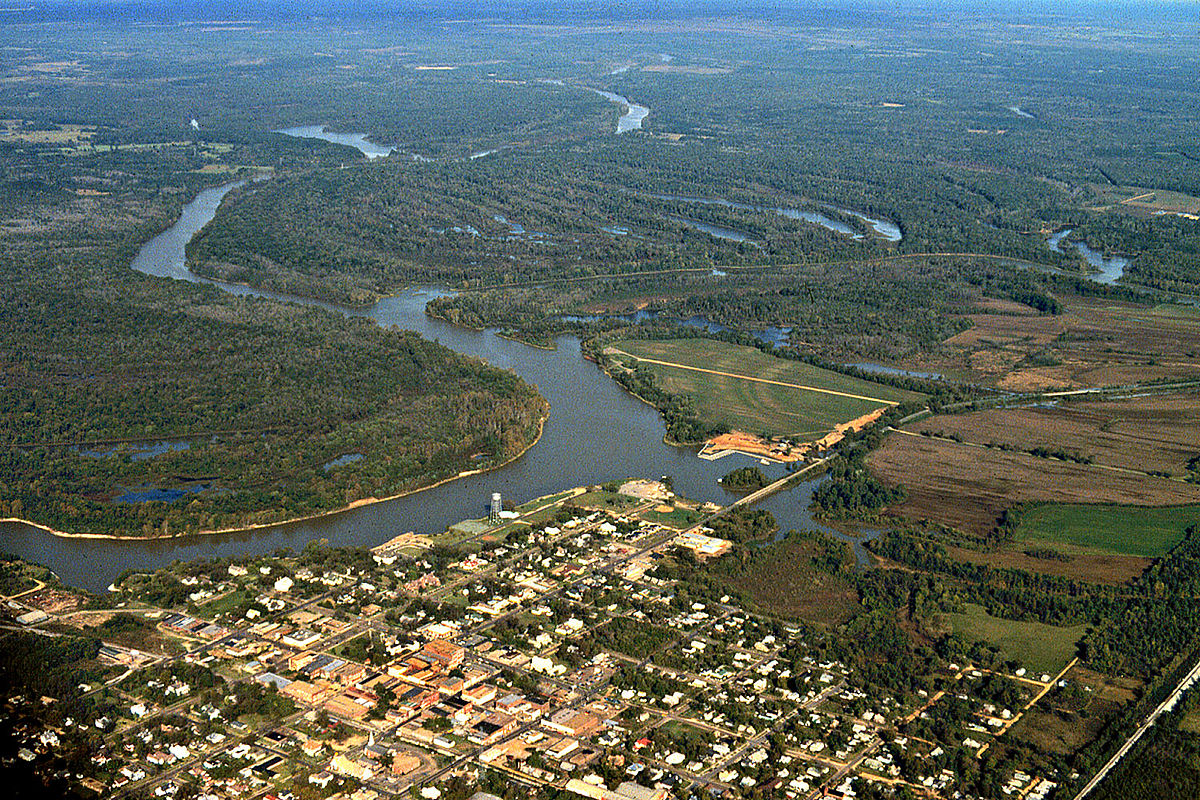
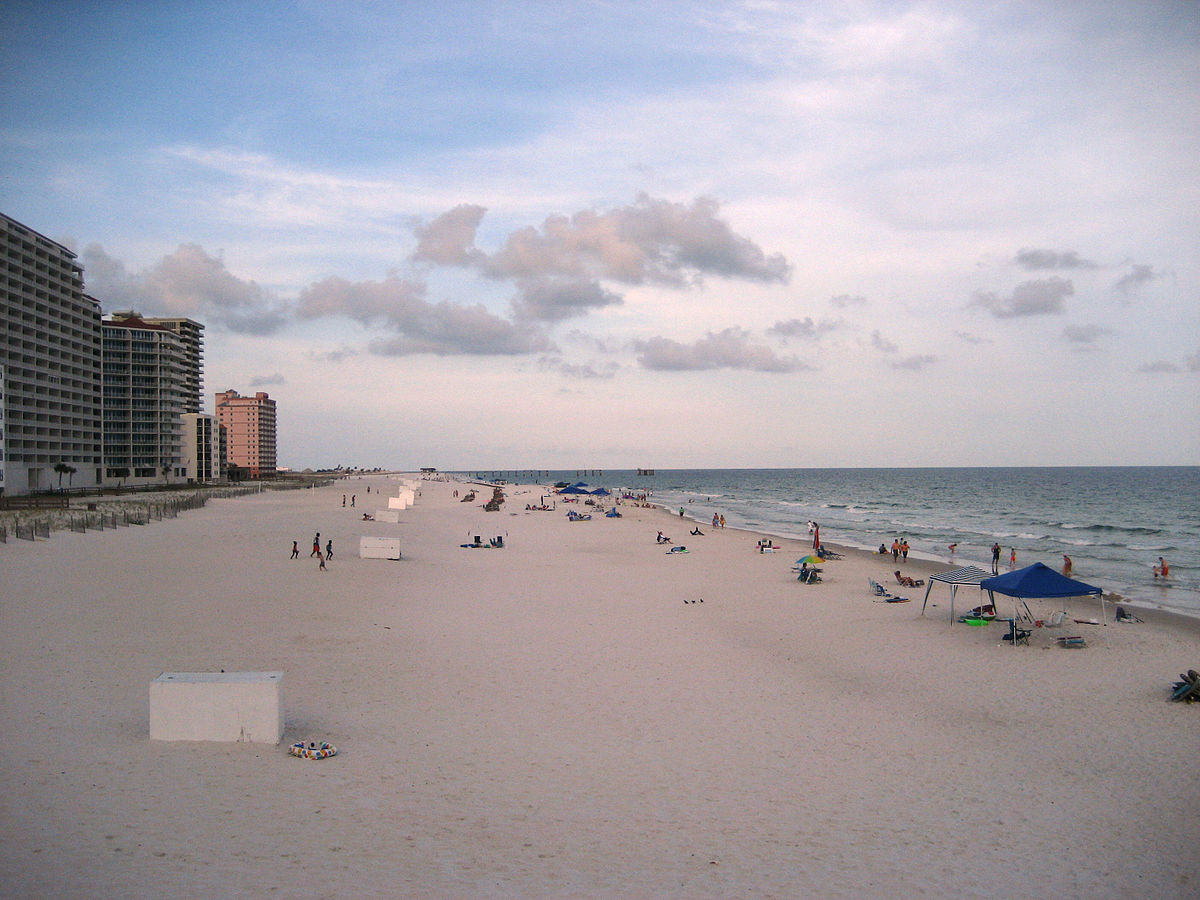
Mobile is the county seat of Mobile County, Alabama. The population within the city limits was 195,111 as of the 2010 United States Census, making it the third most populous city in the State of Alabama, the most populous in Mobile County, and the largest municipality on the Gulf Coast between New Orleans, Louisiana, and St. Petersburg, Florida. Alabamas only saltwater port, Mobile is located at the head of the Mobile Bay and the north-central Gulf Coast. The Port of Mobile has always played a key role in the economic health of the city beginning with the city as a key trading center between the French and Native Americans down to its current role as the 12th-largest port in the United States. Mobile is the principal municipality of the Mobile Metropolitan Statistical Area. This region of 412,992 residents is composed solely of Mobile County; it is the third-largest metropolitan statistical area in the state. Mobile is the largest city in the Mobile-Daphne−Fairhope CSA, with a total population of 604,726, the second largest in the state. As of 2011, the population within a 60-mile radius of Mobile is 1,262,907. Mobile began as the first capital of colonial French Louisiana in 1702. During its first 100 years, Mobile was a colony of France, then Britain, and lastly Spain. Mobile first became a part of the United States of America in 1813, with the annexation of West Florida under President James Madison. In 1861 Alabama joined the Confederate States of America, which surrendered in 1865. As one of the Gulf Coasts cultural centers, Mobile has several art museums, a symphony orchestra, a professional opera, a professional ballet company, and a large concentration of historic architecture. Mobile is known for having the oldest organized Carnival celebrations in the United States. The festival began to be celebrated in the first decade of the 18th century by its first French Catholic colonial settlers. Mobile was host to the first formally organized Carnival mystic society, known elsewhere as a krewe, to celebrate with a parade in the United States, beginning in 1830. In 2005 the first integrated mystic society had a parade for Mardi Gras.

Birmingham

Birmingham is the largest city in Alabama. The city is the county seat of Jefferson County. The citys population was 212,237 according to the 2010 United States Census. The Birmingham-Hoover Metropolitan Statistical Area had a population of about 1,128,047 according to the 2010 Census, which is approximately one quarter of Alabamas population. Birmingham was founded in 1871, during the post-Civil War Reconstruction period, through the merger of three pre-existing farm towns, notably, former Elyton. It grew from there, annexing many more of its smaller neighbors, into an industrial and railroad transportation center with a focus on mining, the iron and steel industry, and railroading. Birmingham was named for Birmingham, England, UK; one of that nations major industrial cities. Most of the original settlers who founded Birmingham were of English ancestry. In one writers view, the city was planned as a place where cheap, non-unionized, and African-American labor from rural Alabama could be employed in the citys steel mills and blast furnaces, giving it a competitive advantage over industrial cities in the Midwest and Northeast. From its founding through the end of the 1960s, Birmingham was a primary industrial center of the South. The pace of Birminghams growth during the period from 1881 through 1920 earned its nicknames The Magic City and The Pittsburgh of the South. Much like Pittsburgh, Birminghams major industries were iron and steel production, plus a major component of the railroading industry, where rails and railroad cars were both manufactured in Birmingham. In the field of railroading, the two primary hubs of railroading in the Deep South were nearby Atlanta and Birmingham, beginning in the 1860s and continuing through to the present day. The economy diversified during the later half of the twentieth century. Though the manufacturing industry maintains a strong presence in Birmingham, other businesses and industries such as banking, telecommunications, transportation, electrical power transmission, medical care, college education, and insurance have risen in stature. Mining in the Birmingham area is no longer a major industry with the exception of coal mining. Birmingham ranks as one of the most important business centers in the Southeastern United States and is also one of the largest banking centers in the United States. In addition, the Birmingham area serves as headquarters to one Fortune 500 company: Regions Financial, along with five other Fortune 1000 companies. In higher education, Birmingham has been the location of the University of Alabama School of Medicine and the University of Alabama School of Dentistry since 1947. Since that time it has also obtained a campus of the University of Alabama, University of Alabama at Birmingham, one of three main campuses of the University of Alabama System. It is also home to three private institutions: Samford University, Birmingham-Southern College, and Miles College. Between these colleges and universities, the Birmingham area has major colleges of medicine, dentistry, optometry, pharmacy, law, engineering, and nursing. The city has three of the states five law schools: Cumberland School of Law, Birmingham School of Law, and Miles Law School. Birmingham is also the headquarters of the Southeastern Conference, one of the major U.S. collegiate athletic conferences.

Montgomery

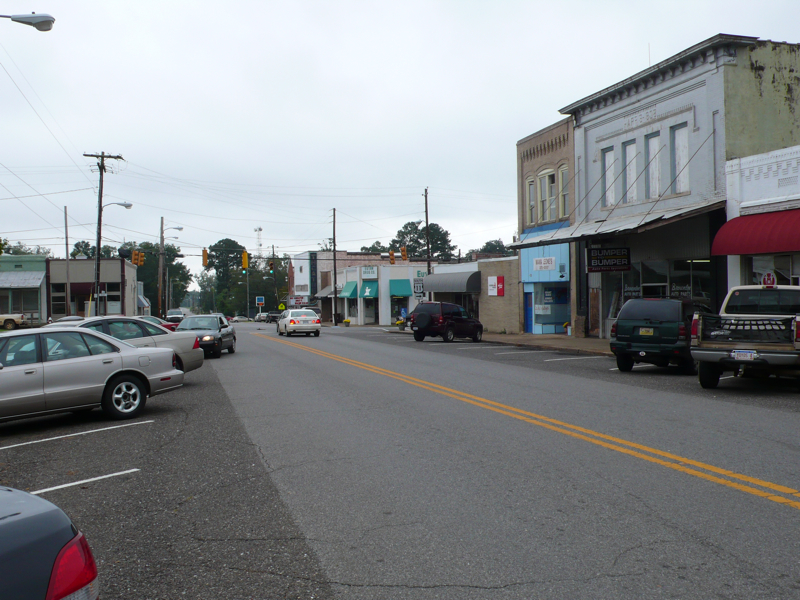
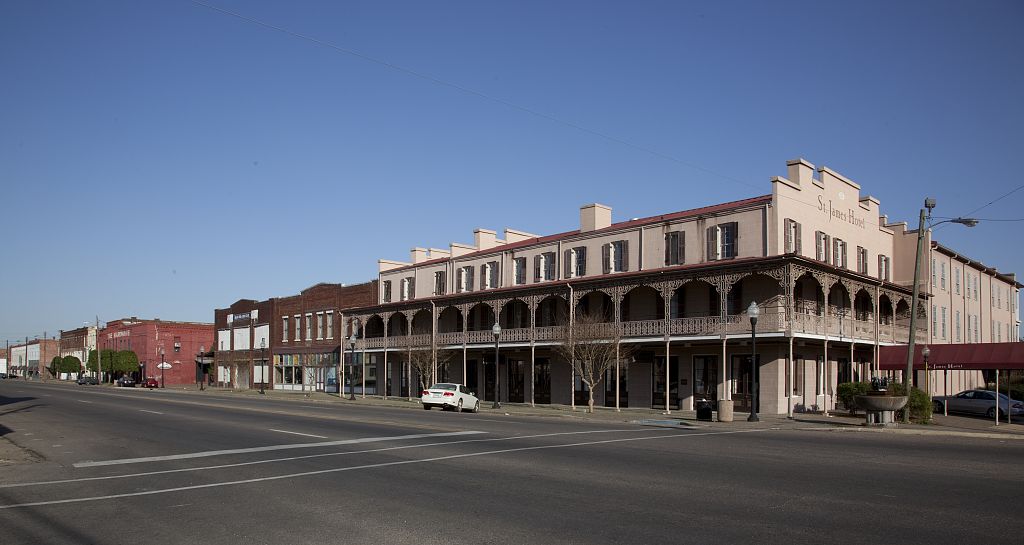
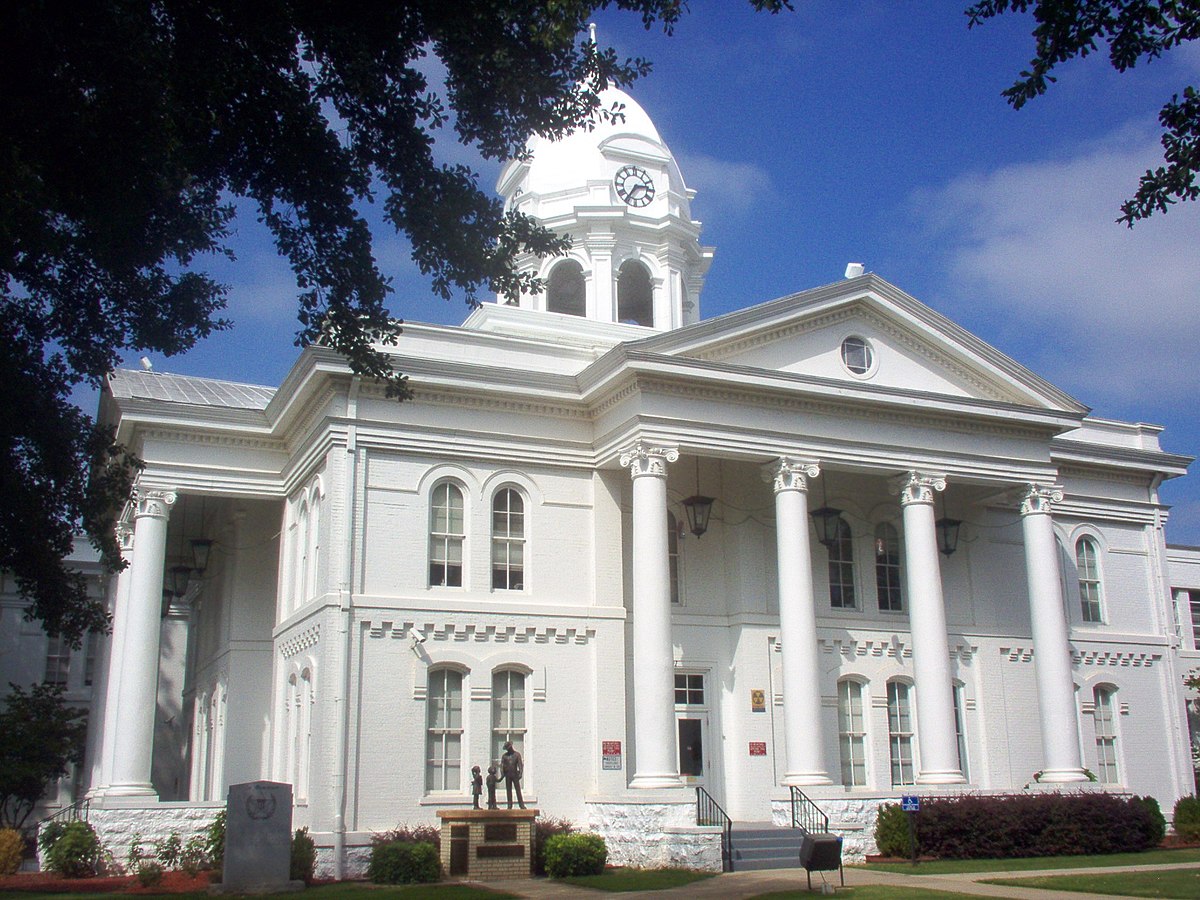
Montgomery is the capital of the U.S. state of Alabama and is the county seat of Montgomery County. Named for Richard Montgomery, it is located on the Alabama River, in the Gulf Coastal Plain. As of the 2010 Census, Montgomery had a population of 205,764. It is the second-largest city in Alabama, after Birmingham, and the 103rd largest in the United States. The Montgomery Metropolitan Statistical Area had a 2010 estimated population of 374,536. It is the fourth-largest in the state and 136th among United States metropolitan areas. The city was incorporated in 1819, as a merger of two towns situated along the Alabama River. It became the state capital in 1846, representing the shift of power to the south-central area with the growth of cotton as a commodity crop of the Black Belt and Mobiles rise as a mercantile port. In February 1861, Montgomery was selected as the first capital of the Confederate States of America, until the seat of government moved to Richmond, Virginia, in May of that year. During the mid-20th century, Montgomery was a major site of events in the African-American Civil Rights Movement, including the Montgomery Bus Boycott and the Selma to Montgomery marches. In addition to housing many Alabama government agencies, Montgomery has a large military presence due to Maxwell Air Force Base; public universities Alabama State University, Troy University, and Auburn University at Montgomery; private colleges/universities Faulkner University and Huntingdon College; high-tech manufacturing, including Hyundai Motor Manufacturing Alabama; and cultural attractions such as the Alabama Shakespeare Festival and Montgomery Museum of Fine Arts. Two ships of the United States Navy have been named after the city, including USS Montgomery . Montgomery has won several national awards including being voted Best Historic City by USA Today, being named an All-America City in 2014 by the National Civic League, being named a "Top City For Job Growth" in 2014 by ziprecruiter.com, and being named the happiest city in Alabama. Montgomery has also been recognized nationally for its successful, and ongoing downtown revitalization and new urbanism projects with Montgomery having been one of the first cities in the nation to implement Smart Code Zoning.

Tuscaloosa

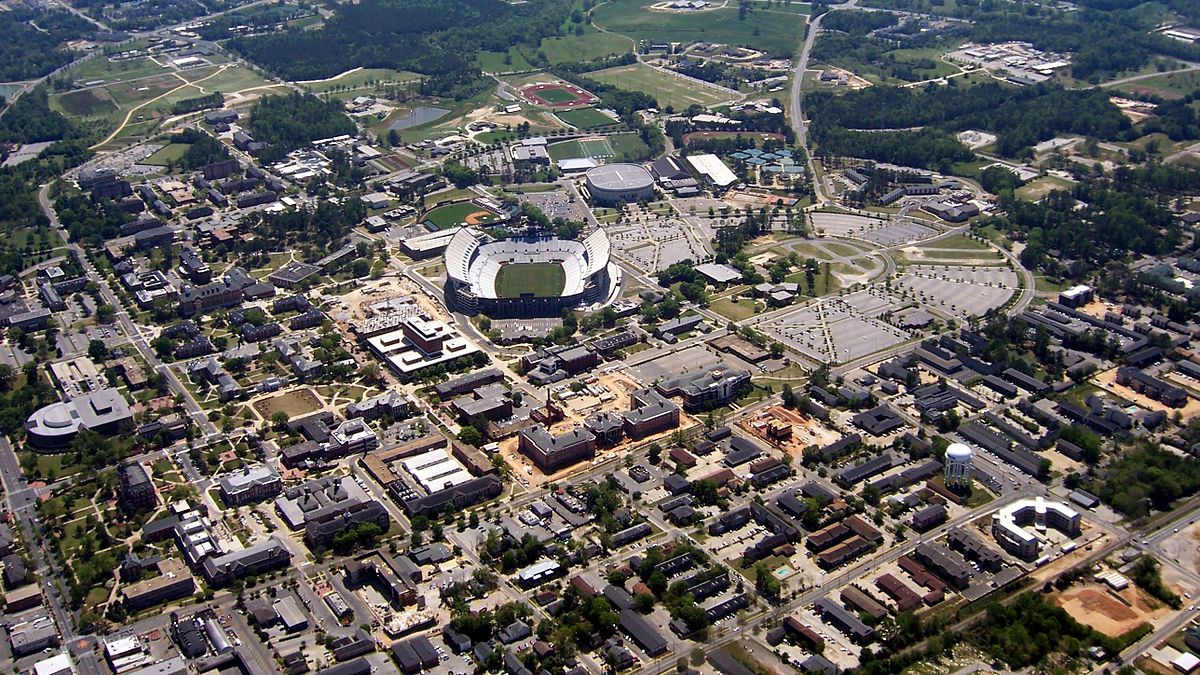
Tuscaloosa is a city in and the seat of Tuscaloosa County in west central Alabama . Located on the Black Warrior River, it is the fifth-largest city in Alabama, with an estimated population of 95,334 in 2013. Founded in 1819, the city was named after Tuskaloosa, the chieftain of a Muskogean-speaking people who battled and was defeated by Hernando de Soto in 1540 in the Battle of Mabila, and served as Alabamas capital city from 1826 to 1846. Tuscaloosa is the regional center of industry, commerce, healthcare, and education for the area of west-central Alabama known as West Alabama. It is the principal city of the Tuscaloosa Metropolitan Statistical Area, which includes Tuscaloosa, Hale and Pickens counties and has an estimated metro population in 2013 of 235,628. Tuscaloosa is also the home of The University of Alabama, Stillman College and Shelton State Community College. While the city attracted international attention when Mercedes-Benz announced it would build its first automotive assembly plant in North America in Tuscaloosa County, the University of Alabama remains the dominant economic and cultural engine in the city. Tuscaloosa has been traditionally known as the "Druid City" because of the numerous water oaks planted in its downtown streets since the 1840s. The city has also become well known nationally for the University of Alabamas success in sports, and particularly in football. City leaders adopted the moniker "The City of Champions" after the Alabama Crimson Tide football team won the BCS National Championship game in 2010, 2012, and again in 2013. In 2008, the City of Tuscaloosa hosted the USA Olympic Triathlon trials for the Beijing Games.

U.S. Space & Rocket Center

The U.S. Space & Rocket Center in Huntsville, Alabama is a museum operated by the government of Alabama, showcasing rockets, achievements, and artifacts of the U.S. space program. Sometimes billed as "Earth's largest space museum", astronaut Owen Garriott described the place as, "a great way to learn about space in a town that has embraced the space program from the very beginning."Opened in 1970, just after the second manned mission to the lunar surface, the center not only showcases Apollo Program hardware but also houses interactive science exhibits, Space Shuttle and Army rocketry and aircraft. With more than 1,500 permanent rocketry and space exploration artifacts, as well as many rotating rocketry and space-related exhibits, the center occupies land carved out of Redstone Arsenal adjacent to Huntsville Botanical Garden at exit 15 on Interstate 565. The center offers bus tours of nearby Marshall Space Flight Center.Two camp programs offer visitors the opportunity to stay on the grounds and learn more about their respective subject matter. U.S. Space Camp gives an in-depth exposure to the space program through participant use of simulators, lectures, and training exercises. Similarly, Aviation Challenge offers a taste of military fighter pilot training including simulations, lectures, and survival exercises. Both camps provide residential and day camp educational programs for children and adults. The U.S. Space & Rocket Center has one of the most extensive collections of space artifacts and displays more than 1500 pieces. Displays include rockets, engines, spacecraft, simulators, and hands-on exhibits.The Space & Rocket Center introduces visitors to U.S. rocketry efforts from its predecessor at Peenemünde with the German V-1 flying bomb, through a progression of U.S. military rockets up to the Saturn rocket family civilian rockets, and on to the Space Shuttle. The Saturn V Dynamic Test Vehicle, the only Saturn V of the three on display to have been brought together outside a museum, is displayed overhead in a new building designed specifically for the rocket. The Space Shuttle Pathfinder was the first Space Shuttle — a mockup made of steel and wood to test facilities for handling the vehicle — and it now sits atop an external tank with solid rocket boosters attached. The center showcases significant military rockets, including representatives of the Project Nike series, which formed the first ballistic missile defense, MIM-23 Hawk surface-to-air missile, Hermes, an early surface-to-surface missile, MGR-1 Honest John and Corporal nuclear missiles and Patriot, first used in the Gulf War of 1991. The rocketry collection includes numerous engines, as well. In addition to the authentic engines mounted on rockets on display, the museum has unmounted engines on display, including two F-1s, the type of gigantic engine that produced 1,500,000 pounds-force (6,700,000 N) to push Saturn Vs off the launch pad, J-2 engine that powered second and third stages of the Saturn V, and both Descent and Ascent Propulsion System (DPS/APS) engines for the Lunar Module. Engines from the V-2 engine to NERVA to the Space Shuttle Main Engine are on display as well.The Apollo program gets full coverage in the Davidson Center for Space Exploration with artifacts outlining Apollo missions. Astronauts crossed the service structure's red walkway to the White Room, both on display, and climbed in the Command Module atop a Saturn V which was their cabin for the trip to the moon and back. Apollo 16's command module is on display. The Saturn V Instrument Unit controlled five F-1 engines in the first stage of the rocket as it lifted off the pad. Several exhibits relate the complexity and magnitude of that phase of the journey. They took a Lunar Module (mockup on display) to the lunar surface where they collected moon rocks such as the Apollo 12 specimen at the museum. Later moon trips took a Lunar Rover (displayed beside the LM). The first few moon trips ended at a Mobile Quarantine Facility (Apollo 12's is on display) where astronauts stayed to ensure containment of any moon bugs after that mission. A restored engineering mock-up of Skylab is also on display, showing the Apollo project's post-lunar efforts.Various simulators help visitors understand the spaceflight experience. Space Shot lets the rider experience launch-like 4 gs and 2–3 seconds of weightlessness. G-Force Accelerator offers 3 gs of acceleration for an extended period by means of a centrifuge. Several other simulators entertain and educate visitors.Other exhibits offer a hands-on understanding of concepts related to rocketry or space travel. A bell jar demonstrates the reason for using a rocket instead of a propeller in the vacuum of space. A wind tunnel offers visitors the opportunity to manipulate a model to see how forces change with its orientation, and The Mind of Saturn exhibit demonstrates gyroscopic force (necessary for rocket navigation). An Apollo trainer offers visitors the opportunity to climb in. Some simulators on exhibit were used for astronaut training. A Project Mercury simulator shows the cramped conditions endured by the first Americans in space. A Gemini simulator shows visitors the accommodations when two people flew together to space for the first U.S. missions involving extra-vehicular activities and space rendezvous.Exhibits also cover the future of space flight. Two Orion CEV exhibits show the next NASA spacecraft, and a Bigelow Aerospace commercial habitat model details a space tourism effort.There are two play areas: the outdoor one offers a miniature (and slower) Space Shot ride along with slides and tunnels, all under a canopy; the indoor one offers play about a trip to Mars with a space ship and some cartoon "aliens".The U.S. Space & Rocket Center is also the resting place of Miss Baker, a squirrel monkey which flew on a suborbital test flight of the PGM-19 Jupiter rocket on May 28, 1959. Baker lived in a facility at the Center from 1971 until she died of kidney failure in November 1984. The Space & Rocket Center offers bus tours of Marshall Space Flight Center. The tour offers views of all four National Historic Landmarks at the center including a stop at the landmark Redstone Test Stand, where Alan Shepard's Redstone Rocket was tested prior to launch. Another scheduled stop is the Payload Operations and Integration Center, which serves as mission control for a number of experiments. Bus tours originally started July 4, 1972, but were suspended following the September 11 attacks in 2001. Tours resumed July 20, 2012, the 43rd anniversary of the Apollo 11 moon landing, limited to United States citizens because of security protocol at the Army installation, Redstone Arsenal, which contains Marshall Space Flight Center.

This attraction is located in

This is a private property. Please enjoy respectfully and do not disturb the occupants.

Edit Categories
Add Tours

This attraction is not part of any tours

Add Collections

This attraction is not part of any collections


Some of the attractions we imported from Wikipedia are not perfect. Send us an email detailing what's wrong and we'll look into fixing it.

GuRoute is all about Gurus sharing their local knowledge. If you feel up to fixing this problem yourself, why not adopt it. You will become the owner and can fix whatever problems you see.

We've copied a link to this attraction into your clipboard so that ou can paste it into an email or text message...

More Info...
You can add your friends to the visit yourself, or, send them a link and let them add themselves...

The visit will appear on both your timelines and on your Shared Timeline.

Click below and we'll email you a link that you can send on to friends or post on your group's Facebook page.

If your friends aren't members of GuRoute yet, this is a great way to get them started.
Recent
Recently used Collections will appear here...
Recent
Recently used tours will appear here...

Where is this?

GuRoute likes to place attractions inside other attractions. So, maybe it's in a city, or maybe it's inside a particular park in that city. Maybe your attraction is a huge park that spans half the county, or multiple counties.

Determining where this attraction is gives it context - if it's in a park, you'll be able to see it alongside all the other attractions in that park. And that helps define the park.

GuRoute will automatically calculate a parent region for this attraction. You can change it if there is something more appropriate.

This attraction is currently located in .

Change

This attraction does not yet have any reviews

Please login to write a review...

Reviewed by
Record new Visit

Add this location to your timneline?

  • If there's an existing attraction open it and add it to your timeline...
  • If not, enter a title and we'll create a new attraction for your memories...
Create new Attraction

Create a new attraction at this location?

  • We rely on Gurus like you to share your local knowledge...
(Give a name for this location)


+
Add this to your timeline instead...

Imagine having a record of all the cool things you've done in your life!


Using our timeline you can keep track of everywhere you visit in your lifetime...

But, you'll need to sign in first...

Add contacts so that you can share your travels and record places that you visit together...

Family
Favorites
Family
Favorites

Profile TimeLine Our Visits Edit Accept Decline Invite

If you have any more friends that visited this place with you, feel free to add them to the visit. We'll write it to their timeline and once they confirm it, they too will have this memory for a lifetime.

If they're not already registered, you just need their name and email address and you can add them and we'll send them an invite on your behlaf.

Add a tour comment

Add some extra information for when this attraction is viewed as part of your tour...

Next Stop Instructions

Add some instructions for what to see/do on the way to the next stop...

Next Stop Instructions

Add some instructions for what to see/do on the way to the next stop...

If you're visiting an existing attraction, open it and add it to your timeline. If there is no attraction for the place you are visiting...

  • Click 'Add My Location' below
  • Or right-click on the map to mark a different location
  • Or long-press if you have a touch screen
You can even add locations while you're offline....
  • Load up the map when you're online and we'll keep track of your locaiton
  • You can add locations to your timeline
  • When you are online again we'll sync them with the cloud

We can't connect to the internet right now. The following attractions are saved locally and can be uploaded when you're online...

GuRoute would like to access your current location so that we can pin you on the map and show you nearby attractions

Add friends so that you can share your experiences with each other...

Add tour to What's Next?

Go...

Either for yourself or someone else...

  1. Do your trip research in GuRoute
    Add all the places that you think might be worthy of a visit into a trip-plan
  2. Add your trip-plan to your "What's Next" timeline
    (or a friend's "What's Next" timeline)
  3. When you're on vacation you'll have all your research at your fingertips
  4. Share your timline with your friends
    They can enjoy your vacation with you, seeing not only where you've been, but where you're going next...
  5. Add/remove attractions if things change

It also makes a great souvenir of your trip

Collections

Go...

Create a home page for a collection of attractions

  • Add an image and description to display on the homepage
  • Start adding content
    Add existing attractions to your collection or create new attractions of your own
  • Collections can be:
    • Public (Anyone can add attractions to your collection)
    • Shared (Only yourself and Gurus you nominate can add content)
    • Private (The collection will only be visible to yourself)

Uses

  • Local business or hotel
    Showcase local attractions that you endorse
  • Clubs
    Showcase attractions that members have created (eg. local historical society)
  • Special Interest
    If GuRoute does not have a category for your special interest you add your attractions to your own collection instead

Examples

Walking/Driving Tours

Go...

A guided tour where GuRoute will direct you from stop to stop and narrate a description of each attraction you arrive at

  • GuRoute uses your phone's GPS to guide you from stop to stop
  • GuRoute automatically detects when you arrive at the next tour-stop and narrates the description of the attraction (Chrome Only)
  • It then sends you on to the next stop

Tours are great to attract people to your town. Even places with no significant points of interest can be lots of fun when part of a tour


Cater tours to your Audience

  • Kid-friendly Tours
    • Focus on what will keep kids interested
    • Instead of parents having to drag their kids around they'll be struggling to keep up
    • Let the kids navigate and they'll get more fun out of finding that historical plaque than they ever would from reading it
  • Accessible tours
  • Short and long tours of the same location

What you need to do...

  1. Click 'Go...'
    Enter a title, description and location for the tour
  2. Add existing attractions OR create new ones and add them to the tour
  3. For existing attractions you can add more information specific to the theme of the tour
  4. You can also add instructions on what to do or see en-route to the next tour-stop
  5. Try out your tour and see how it works...

Mystery Tour

Go...

Create a Mystery Tour

Create a series of clues to show people around a city, neighborhood or whatever place you like...

  • GuRoute will show people clues to get them from attraction to attraction
  • When they reach each stop GuRoute will tell them about the place and give them the next clue
  • Take as long or as you like and explore each location at your leisure

Scavenger Hunt

Go...

Create a Scavenger Hunt

Create a series of questions that people have to answer. The answers can all be discovered by walking aroung the area, looking for clues.

  • How many beers are on tap at Michael Collin's Irish Bar?
  • What's the name of the oldest building on main streeet?
  • Show a picture of some public art and ask them what it is called
  • Clues can have numeric or multiple choice answers